Amazon A+ Content in 2026: Premium is now free.
Since May 2026, Premium A+ Content is enabled at no extra cost for every brand-registered seller, and a new Quality Score grades what you publish. Here is who qualifies, the Premium modules worth using first, what Enhanced Brand Content searchers should know, and the best practices that still decide whether A+ converts.
Get a free A+ Content review →Since May 2026, Premium A+ Content is enabled at no extra cost for every brand-registered seller: the old five-million-dollar sales threshold and invite-only gate are gone, and a new A+ Quality Score now grades what you publish. Strong A+ still lifts conversion 5 to 20%. The 2026 work is using the access well: the right Premium modules, mobile-first design, a published Brand Story, compliant copy, and content the AI shopping assistant can read.
- FreePremium A+ for all brand-registered sellers since May 2026
- +15–20%Conversion lift from Premium A+
- 57%+Of Amazon traffic comes from mobile
What changed for A+ Content in May 2026?
Amazon flipped Premium A+ Content on by default for brand-registered sellers in May 2026. The old gate, an invite-only program that in practice required around five million dollars in sales, is gone, and Premium now costs nothing extra. Alongside the rollout, Amazon introduced an A+ Quality Score that grades published content, so access stopped being the differentiator and execution became it.
A+ Content itself is unchanged in shape: the enhanced image-and-text section on the product page, available to Brand Registry sellers. Premium unlocks the interactive module set and pushes conversion lift to roughly 15 to 20% versus 5 to 10% for Basic; Amazon's own published figures are up to 8% for Basic and up to 20% for Premium.
Do I qualify for Premium A+ Content?
Most brands now do. The base requirements are a Professional selling account, enrollment in Amazon Brand Registry, and a Brand Representative or Reseller role on the account. Since the May 2026 change, eligible sellers see Premium modules enabled by default in A+ Content Manager, at no cost.
Two legacy signals still matter on some accounts: a Brand Story published across your brand-owned listings, and a history of approved A+ submissions (the old published bar was five approved projects in twelve months). Amazon adjusts eligibility without publishing a fixed rule set, so treat the banner in A+ Content Manager as the source of truth, and publish your Brand Story first either way.
What is the A+ Quality Score, and how do you raise it?
The Quality Score, introduced with the May 2026 rollout, grades each A+ deployment on completeness (every field filled, including image keywords and alt text), image quality (full-resolution, spec-compliant uploads), and module mix (varied, complementary modules rather than one repeated banner). As Premium spreads to every competitor, higher-scoring content is what wins the comparison.
Raising it is mechanical: fill every text and keyword field, upload images at full spec rather than upscaled, and combine at least a banner, a comparison module, and one interactive or video module per deployment. Start with your highest-traffic ASINs and work down; our conversion rate guide covers how to measure the lift.
Which Premium A+ modules should you use first?
Four Premium modules do most of the converting: video (including video carousels) for demonstration and trust, hotspot images that explain features in context, enhanced comparison charts that keep shoppers inside your catalog, and full-width banners that carry the lead benefit at phone width. If you publish only one, make it video: it is the module Basic cannot replicate and the one shoppers engage with most.
Amazon A+ Content best practices
Lead with your strongest benefit, prove claims with imagery, and answer the objections that stop a purchase. Use a comparison module to cross-sell your own catalog and position against alternatives without naming them.
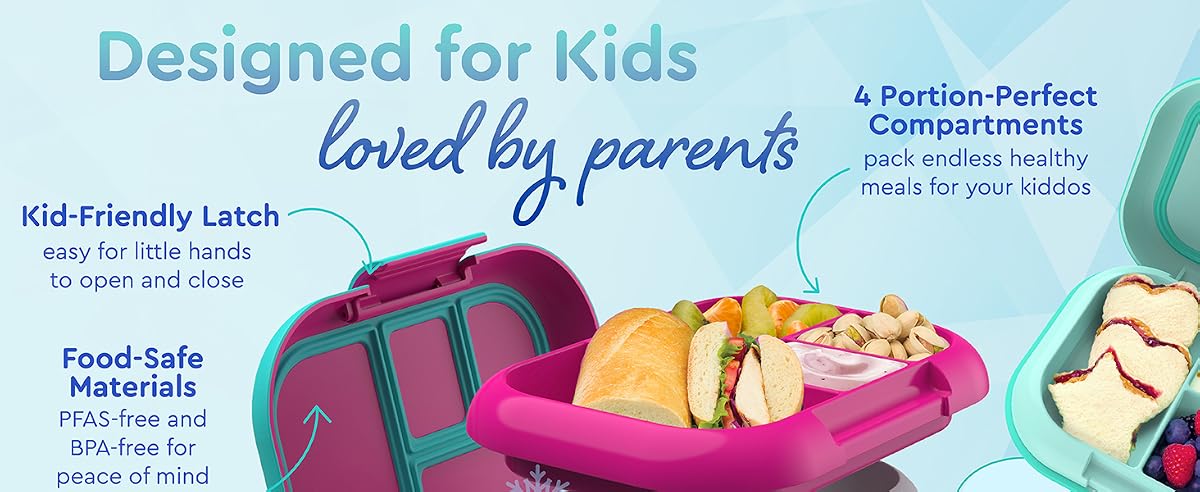
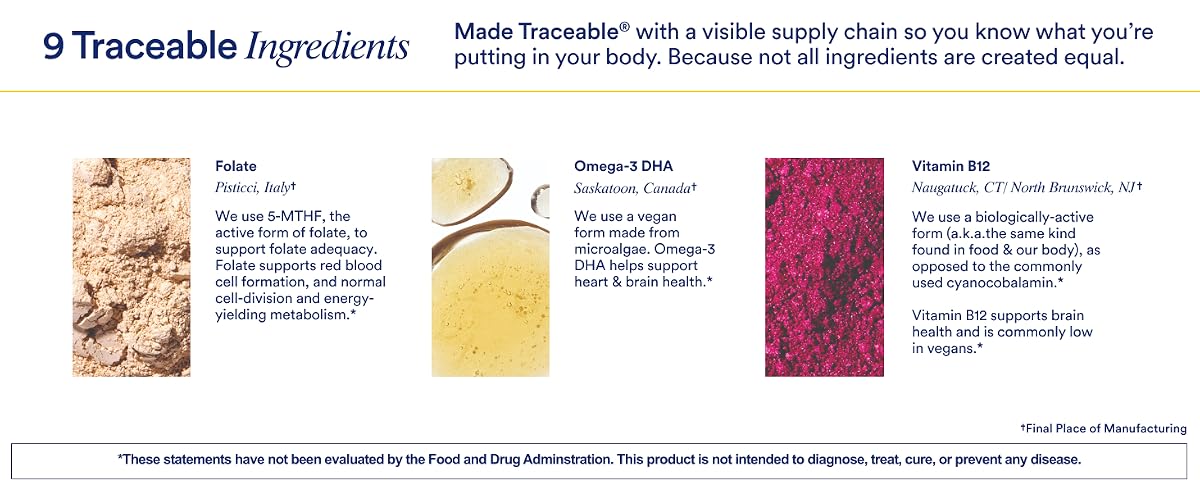
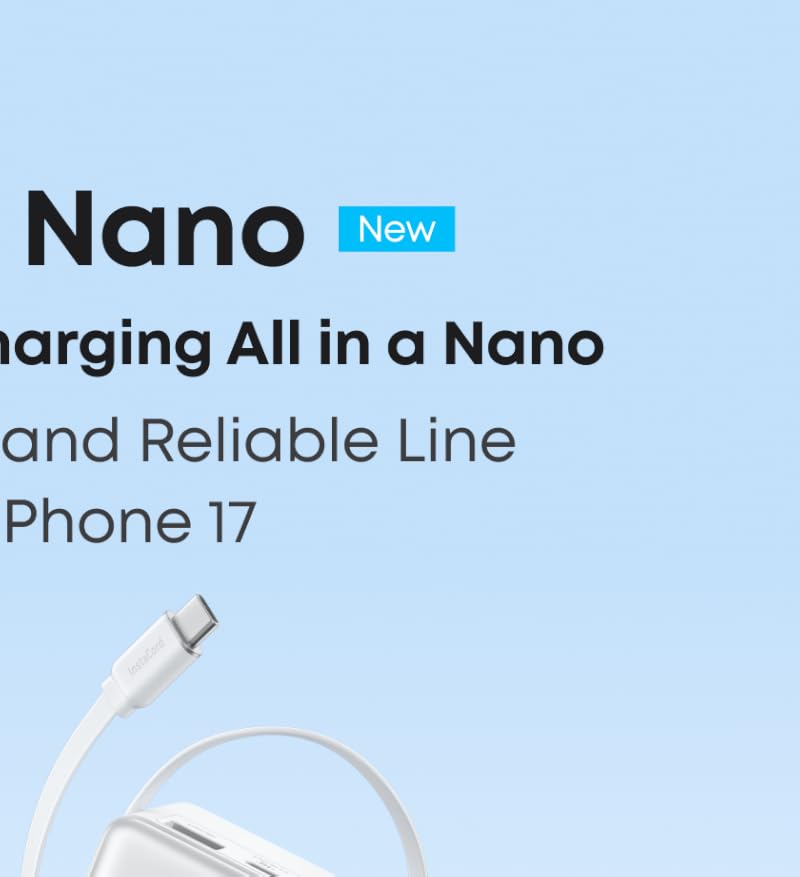
Three real modules worth copying:

| Module | Use it for | Tip |
|---|---|---|
| Hero / banner | Lead benefit + brand feel | Make the value clear in the first screen |
| Comparison table | Cross-sell & positioning | Guide shoppers to the right SKU |
| Interactive hotspots (Premium) | Explain features in context | Set expectations to reduce returns |
| Video (Premium) | Demonstrate use & build trust | Reuse the clip for Sponsored Brands Video |
Design mobile-first
Around 57% of Amazon's traffic now comes from a phone, so design for mobile first: clear hierarchy, short sections, large legible text, and your most important argument early. Preview every module on mobile before publishing, desktop-perfect layouts often break on a small screen.
Brand Story vs. A+ Content
They're complementary. Brand Story is a separate carousel that sits above A+ and is reused across every ASIN to carry brand identity and cross-sell. A+ Content is per-product and carries the specific evidence that converts that listing. Use both: Brand Story for identity, A+ for proof.
Is A+ Content the same as Enhanced Brand Content (EBC)?
Yes. Enhanced Brand Content was the Seller Central name until Amazon renamed it A+ Content in 2019 and folded it into one program. If you are searching for Amazon enhanced brand content guidelines, EBC design rules, or enhanced content examples in 2026, the current name for all of it is A+ Content, and everything on this page applies. The old EBC templates are gone; module-based Basic and Premium A+ replaced them.
Stay compliant (and get approved)
The two most common rejection causes are image-spec violations and prohibited content. Keep A+ free of price, promotions, shipping-speed claims, warranty language, and competitor names.
Price or discounts, shipping speed, warranty or guarantee language, competitor brand names, and unverified claims. Keep it about the product's benefits and proof, and meet Amazon's image specs on every module.
Write A+ the AI assistant can read
Amazon's AI shopping assistant reads your detail page, including A+, to decide what to recommend. Write clear, factual, structured copy, concrete use cases, materials, and specs, so the assistant can match your product to a shopper's question. See our AI shopping assistant guide.
Frequently asked questions
Does A+ Content increase conversion?
Yes. Amazon's own published figures are up to 8% more sales from Basic A+ and up to 20% from Premium A+. In practice agencies see roughly 5 to 10% from Basic and 15 to 20% from Premium, because A+ answers objections with images and structured comparisons before a shopper leaves the page.
Is Premium A+ Content free in 2026?
Yes. Since May 2026 Premium A+ Content is enabled by default for brand-registered sellers at no extra cost, removing the old invite-only gate and the roughly five-million-dollar sales threshold. Some accounts still see the legacy unlock signals, a Brand Story published across brand-owned listings and a history of approved A+ submissions, and Amazon adjusts criteria without publishing them, so check the banner in A+ Content Manager.
What is not allowed in Amazon A+ Content?
Avoid price or promotions, shipping-speed claims, warranty or guarantee language, competitor brand names, and unverified claims. The two most common rejections are prohibited content and image-spec violations.
What is the difference between Brand Story and A+ Content?
Brand Story is a carousel reused across all your ASINs to carry brand identity and cross-sell; A+ Content is per-product and carries specific proof. They are complementary, use both.
What happened to Enhanced Brand Content (EBC)?
It was renamed. Enhanced Brand Content became A+ Content in 2019, and the module-based Basic and Premium A+ system replaced the old EBC templates. Current Amazon enhanced brand content guidelines are simply the A+ Content guidelines, including the May 2026 Premium rollout.
Ready to get to the top shelf?
A 30-minute call and a free account audit, we’ll tell you exactly what we’d do, no strings.
Get a free A+ Content review →