Whole Foods on Amazon: the 2026 brand guide
If your brand sells at Whole Foods, you already have an Amazon presence, whether anyone is managing it or not. Here is how the platform actually works after Amazon closed its Fresh and Go stores, what the numbers really say, and the playbook for turning a Whole Foods shelf into a measurable growth channel.
Get a free Whole Foods channel audit →The Whole Foods supplier portal is Grocery Central: log in at grocerycentral.amazon.com, path /wfm-supplier-portal/home. The bare root is a marketing page, and access is granted per account record, by invite from your account owner. Reporting sits in the separate Supplier Reporting Portal. Beyond the portal: if your brand sells at Whole Foods you already have an Amazon presence, in a catalog sold and shipped by Whole Foods Market, carrying an ad stack almost no supplier switches on. The portal is not an Amazon Business account: Grocery Central access comes by invite on your Whole Foods account record, separate from Seller Central and from Amazon Business purchasing accounts.
How do I get into the Whole Foods supplier portal?
Log in at grocerycentral.amazon.com and go to the /wfm-supplier-portal/home path. The bare root of that domain is a public marketing page, which is why so many suppliers think they have the wrong link. Access is granted per account record, so a brand can hold several records and still be missing the one it needs.
We run Whole Foods vendor operations and the Grocery Central portal for food and beverage clients, alongside their Amazon ads and listings. See how to choose an Amazon agency for a food or beverage brand, or get a free audit of your Whole Foods and Amazon setup.
What changed in January 2026
Amazon shut every Amazon Fresh and Amazon Go physical store in the US. Whole Foods is now its physical grocery business.
- 2017Amazon buys Whole Foods
Sales have grown more than 40% since, on Amazon's numbers.
- April 2024Just Walk Out pulled from Fresh stores
Shoppers wanted a running total. It survives as a licensing product.
- 2025Perishables enter Same-Day Delivery
Fresh food joins the normal Amazon.com cart. Reach hits 2,300+ cities.
- Jan 27, 2026All 72 Fresh and Go stores close
Most went dark February 1. Some convert to Whole Foods.
- Next few years100+ new Whole Foods stores
Plus the small-format Daily Shop, expanding to more cities.
Your retail relationship and your Amazon relationship now run through the same platform. Anyone still planning around Amazon Fresh stores is working from a stale map.
Whole Foods is not Amazon's only physical concept, though. The same announcement confirmed an Amazon Grocery store in Chicago, a micro-fulfillment site in Pennsylvania, and an exploratory supercenter format.
How Whole Foods works inside Amazon
Whole Foods products are not ordinary Amazon listings. That single fact explains most of what follows.
- You create and own the ASIN
- Managed in Seller or Vendor Central
- Brand Registry governs content
- Fulfilled by FBA or by you
- You control price and availability
- Exists because Whole Foods stocks it
- Managed via the supplier portal
- Sold and shipped by Whole Foods
- Delivered from stores, not warehouses
- Whole Foods controls retail price
Two consequences. Being a Whole Foods supplier and holding an Amazon seller account are separate relationships. And Brand Registry, which unlocks A+ Content and Brand Stores elsewhere, does not appear to extend to this catalog the same way.
Amazon's fulfillment centers are not temperature controlled; inventory must tolerate roughly 50 to 100°F. Frozen, chilled and most perishables are excluded. Amazon runs a separate temperature-controlled network for grocery instead. Shipping frozen yourself rarely works at grocery price points.
Two delivery routes
| Route | What the shopper sees | Typical cost |
|---|---|---|
| Whole Foods online order | A Whole Foods cart for delivery or pickup | Pickup free; delivery around $9.95 for Prime |
| Same-Day Delivery | Perishables in the normal Amazon.com cart | Free for Prime over $25 |
The second is the strategic shift. Amazon reports that perishable sales through Same-Day grew 40 times over since January 2025, and fresh groceries are now nine of the ten most-ordered items where the service runs.
Read that with care. It is real, but it is growth from a near-zero base. It shows direction, not size.
The numbers, and which ones are real
Amazon does not report Whole Foods separately. Being precise about what is actually known is most of the battle here.
Amazon's advertising business, where the Whole Foods media opportunity ultimately sits, passed $70 billion on a trailing-twelve-month basis in early 2026 and grows at 22%. One widely cited estimate puts Amazon at close to 80% of all US retail media spend.
- Walmart 31.6%
- Amazon 22.6%
- Everyone else 45.8%
Amazon describes itself as the second largest US grocer with over $150 billion in gross sales. That uses a broad definition of grocery including shelf-stable goods sold on Amazon.com for years. Independent trackers generally place Kroger second.
The statistic nobody has
Brands always ask what share of Whole Foods revenue is e-commerce. There is no public answer, and it is not an oversight.
Amazon books online orders for delivery or pickup at physical stores, Whole Foods included, under Online stores rather than Physical stores. That line was $269 billion in 2025 and covers all of Amazon's global online retail, so the Whole Foods slice cannot be separated.
Ask for the source. The closest honest proxies are industry-wide: FMI put 8.9% of US grocery items sold online in 2025; Brick Meets Click put online at 19% of grocery spending that December. The gap is methodology, not error.
Where the platform is heading
Delivery is the strategy, stores are the brand. Amazon funded same-day perishables and closed the formats that were not working.
Checkout technology settled. Dash Cart won internally and is expanding to 25+ Whole Foods stores. It is a shopper convenience feature, not a confirmed advertising surface, whatever you read elsewhere.
Micro-fulfillment is the one to watch. A robotic facility attached to a Pennsylvania Whole Foods holds 12,000+ items, including national brands that are not on the shelf and do not meet Whole Foods quality standards. Shoppers order by QR code and collect in ten minutes.
It is one location today. If it scales, a brand could reach Whole Foods customers without ever earning Whole Foods shelf space, which changes what that distribution is worth.
The playbook
Everything above is context. This is what you act on.
1. Fix the account setup, because it is probably broken
Whole Foods inventory does not sync into a standard Seller or Vendor ad account. Suppliers need a separate advertising account created through the Whole Foods supplier portal.
Skip it and your products read as out of stock in the ad console. Out-of-stock products cannot serve ads. Campaigns get built, budgets get set, nothing runs.
Open your ad console and look at your Whole Foods items. If they read unavailable while sitting in freezers nationwide, this is your problem, and it is fixable in days.
2. Rebuild the listings
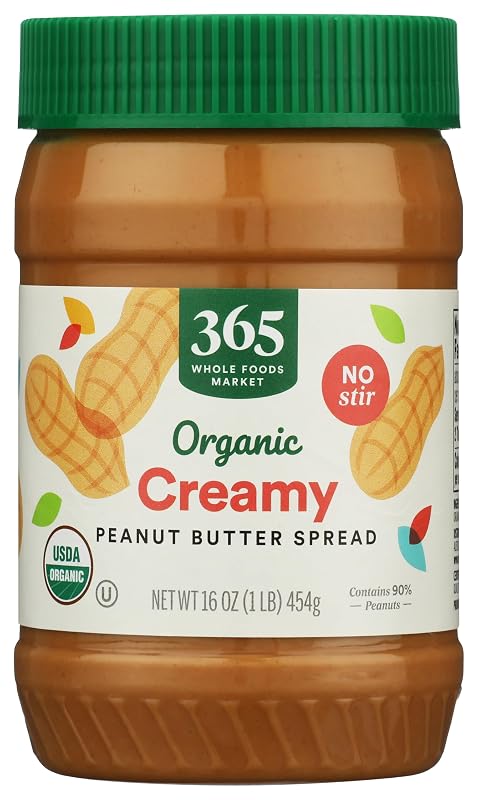
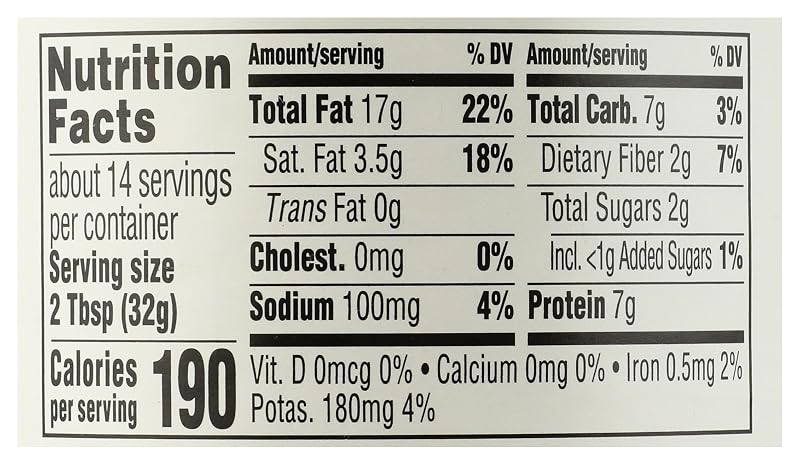
These listings are generated from retail data, not written by a brand team, so they share the same faults:
- Titles that read like warehouse descriptions
- Bullets repeating the retailer's quality standards instead of the product's benefits
- Descriptions that are often two words long
- Images that are flat photographs of packaging
- Missing attributes like gluten free, which quietly removes you from filtered search
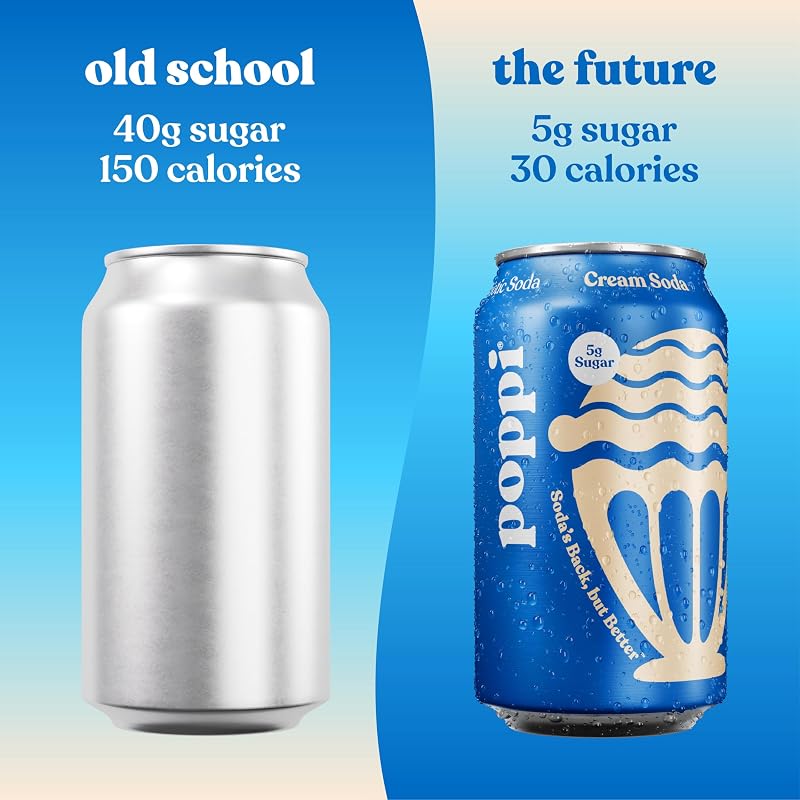
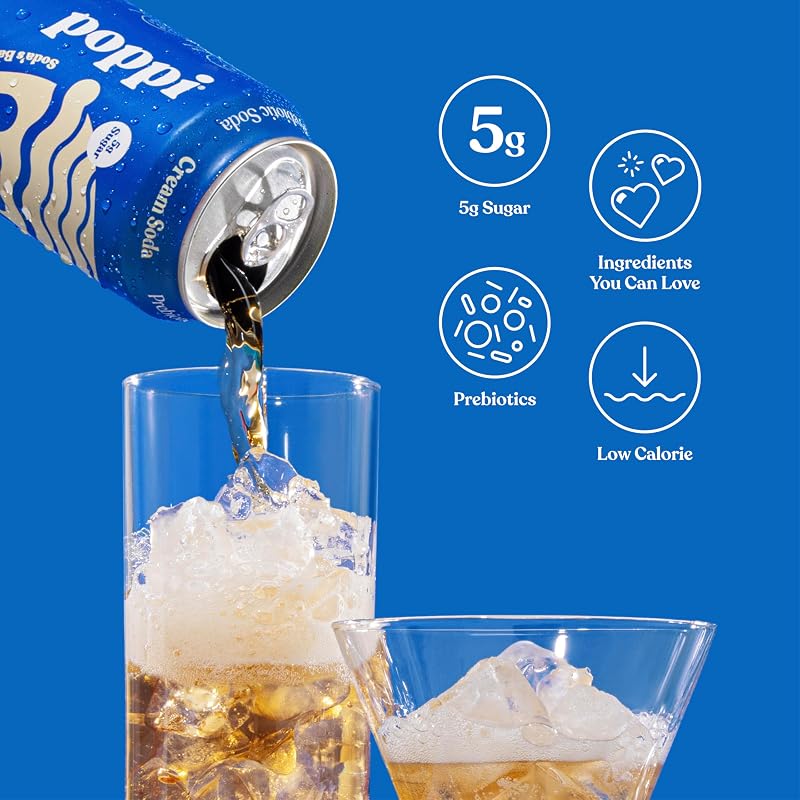
None of this needs a new product. It needs someone to claim the catalog and write it properly.
The gap is easiest to see side by side. Two images from the retail-data default, then two from a brand that manages its grocery listings:
3. Switch on the ad stack that already exists
| Capability | Available since | What it does |
|---|---|---|
| In-store purchase attribution | February 2021 | Ties digital ads to physical store purchases |
| DSP in-store audiences | November 2021 | Target real Whole Foods shoppers, 365-day lookback |
| Sponsored Display on WFM and Fresh | November 2022 | Reach shoppers inside the grocery storefronts |
| Programmatic in-store signage | WFM added April 2024 | Screens at entrances, aisles and counters |
Signage now covers entrance kiosks in all 500+ US stores, hanging screens in 300+, and category headers in 280. Amazon reports a 16% lift in brand awareness and 12% in purchase intent, figures worth using with the caveat that they are Amazon's own.
The Whole Foods ad stack was built between 2021 and 2024 and has barely moved since. This is not a land grab for a shiny format. It is a mature system almost nobody runs properly.
4. Know what you can and cannot measure
In-store attribution can connect a digital ad to a purchase in a physical store, which is genuinely unusual. But it only counts Prime members who identify themselves at checkout.
Any partner promising complete closed-loop measurement of in-store lift is overselling what the system does.
Two more quirks: clicks tend to default to the main Amazon.com product page rather than the Whole Foods destination, and premium Whole Foods placements are managed-service only.
What is changing at Whole Foods itself
The platform is half the picture. The retailer is moving too, and it affects how brands win and keep shelf space.
| Shift | What it means for your brand |
|---|---|
| Buying centralized Regions cut from eleven to six | Foragers are still the front door, but category merchants in Austin decide. Engage three to four months before a reset. |
| Private label expanding 4,000+ items, up 50% since 2019 | You compete with your retailer, and it is using price as the weapon. |
| Clean label going mainstream Regulators pushing the whole industry | Compliance that used to differentiate you is becoming table stakes. |
| Distribution concentrated UNFI contracted into 2032 | A distributor outage can empty your shelf nationally, whatever you do. |
Common mistakes
- Assuming FBA is the route. For frozen and chilled it is not available, and planning around it wastes a quarter.
- Running ads from the wrong account. Without the supplier-portal setup, campaigns cannot serve.
- Judging the channel on online revenue alone. The in-store halo is usually the real prize.
- Funding it from the Amazon P&L. This belongs in trade and shopper marketing, where it competes against promotions that cannot be measured nearly as well.
- Listing a fraction of the range. Many brands have several items on the shelf and one or two visible online.
Whole Foods on Amazon is not a channel that replaces retail. It is a way to grow retail velocity using tools that report back. The brands that win treat it as measurable shopper marketing, not an e-commerce side project.
Frequently asked questions
Can you sell frozen food on Amazon FBA?
No. Amazon fulfillment centers are not temperature controlled and inventory must tolerate roughly 50 to 100 degrees Fahrenheit, which excludes frozen and refrigerated goods. Frozen brands reach Amazon shoppers through the Whole Foods Market catalog and Amazon's separate temperature-controlled grocery network instead.
How do Whole Foods products get listed on Amazon?
They are listed because Whole Foods stocks them. The items appear in a separate catalog sold and shipped by Whole Foods Market, managed through the Whole Foods supplier portal rather than Seller Central. Being a Whole Foods supplier and holding an Amazon seller account are separate relationships.
Is the Whole Foods supplier portal an Amazon business account?
No. The supplier portal (Grocery Central) is granted by invite on your Whole Foods account record. It is separate from an Amazon seller account in Seller Central and from Amazon Business, Amazon's purchasing program for organizations. A brand can hold all three, and each is set up independently.
Can Whole Foods suppliers advertise on Amazon?
Yes. Sponsored Products, Brands and Display can serve into the Whole Foods and Amazon Fresh online storefronts, Amazon DSP can target audiences built from real Whole Foods in-store purchases with up to a 365-day lookback, and in-store digital signage is available programmatically. Most of this has existed since 2021 or 2022 and is heavily underused.
Why are my Whole Foods products showing as out of stock in Amazon Ads?
Almost always because a dedicated Whole Foods advertising account was never created through the supplier portal. Whole Foods inventory does not sync into a standard Seller or Vendor ad account, so the items read as unavailable and campaigns never serve, no matter how well stocked the stores are.
Did Amazon close its Amazon Fresh stores?
Yes. On January 27, 2026 Amazon announced it was closing all Amazon Fresh and Amazon Go physical stores in the US, 72 locations, with most closing on February 1, 2026. Some are being converted to Whole Foods. Amazon Fresh continues as an online-only delivery brand and Amazon committed to opening more than 100 new Whole Foods stores.
What percentage of Whole Foods sales are online?
It is not public. Amazon records online orders for delivery or pickup at physical stores, including Whole Foods, under its "Online stores" revenue line rather than "Physical stores," so the Whole Foods share cannot be separated from Amazon's global online retail total. Any specific figure quoted for Whole Foods online penetration should be treated with caution.
Ready to get to the top shelf?
A 30-minute call and a free account audit, we’ll tell you exactly what we’d do, no strings.
Get a free Whole Foods channel audit →