Show up in Amazon's AI shopping assistant.
Amazon's AI shopping assistant, Alexa for Shopping, formerly Rufus, was used by 300M+ customers in 2025 and reads your listing differently than keyword search does. Here is how to make your products its recommendations.
Get a free AI-readiness audit →Amazon's AI shopping assistant is called Alexa for Shopping (renamed from Rufus on May 13, 2026). It was used by 300M+ customers in 2025 and reads your listing for context, not just keywords. To become its recommendation: add structured product attributes, state clear use cases, cover information completely, keep ratings strong, write for COSMO-era context (who, what, when, and where), and answer 10–15 common shopper questions on the page.
- 300M+Shoppers who used Amazon's AI assistant in 2025
- +210%Year-over-year growth in interactions
- 80–85%Of discovery is still keyword search
What is Amazon's AI shopping assistant called?
It is called Alexa for Shopping. Amazon renamed Rufus to Alexa for Shopping on May 13, 2026, folding the shopping chatbot into its Alexa+ assistant. The old Rufus name and its separate chat window are gone, but the product expertise carried over. If you still see "Rufus" referenced anywhere, it is the same assistant under its former name.
It is Amazon's conversational AI shopping assistant. Shoppers ask it questions in plain language, "what's a good cold-weather running headband?", and it recommends specific products by reading detail pages, reviews, and Q&A.
Where does the Amazon shopping assistant appear, and how does it pick products?
The assistant, sometimes searched for as the "Amazon shopping helper," now sits in the main search bar and writes the AI overview above the results, rather than living in a separate window. You will find it in three places: on Amazon.com search and product pages, in the Amazon mobile app, and on Alexa-enabled Echo devices.
It picks products by reading the whole detail page, not just the title: structured attributes, bullets, A+ Content, images, ratings, and answered questions. It weighs how completely a listing answers the shopper's actual intent, then recommends the products it can match with confidence. Thin or ambiguous listings simply do not get surfaced.
How AI recommendations differ from Amazon search
Amazon's classic search matches keywords and rewards conversion. The AI assistant reads for meaning: who the product is for, what problem it solves, and whether the page answers the shopper's specific question. Keyword stuffing helps the first and hurts the second.
| Amazon keyword search | AI shopping assistant |
|---|---|
| Matches exact keywords | Understands intent & use case |
| Rewards conversion velocity | Rewards complete, structured info |
| Title & backend terms matter most | Attributes, Q&A, and reviews matter most |
How to optimize your listing for the AI assistant
Make every fact the assistant might need explicit and structured. The brands that win give it clean material to quote.
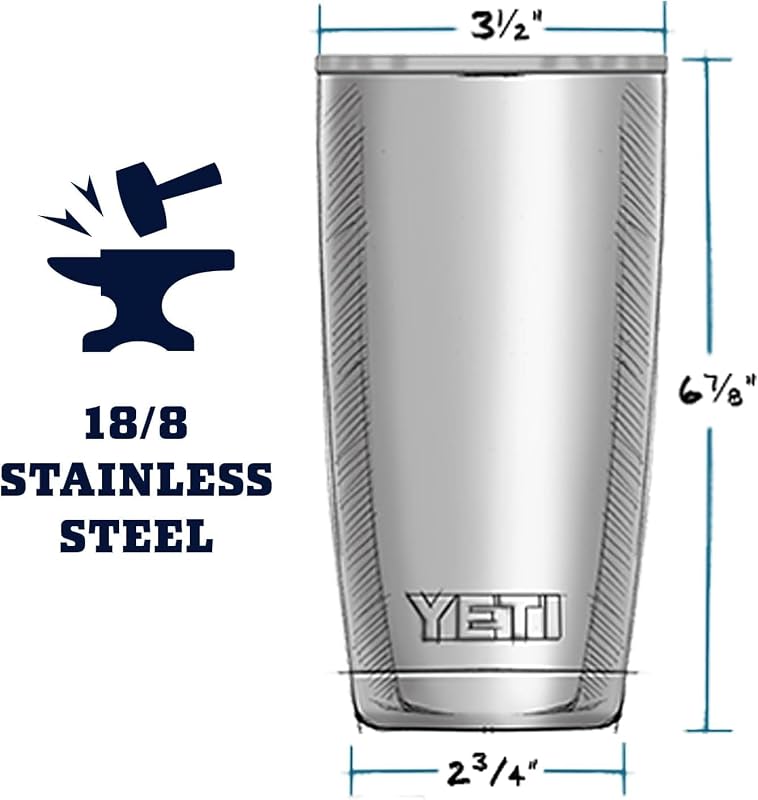
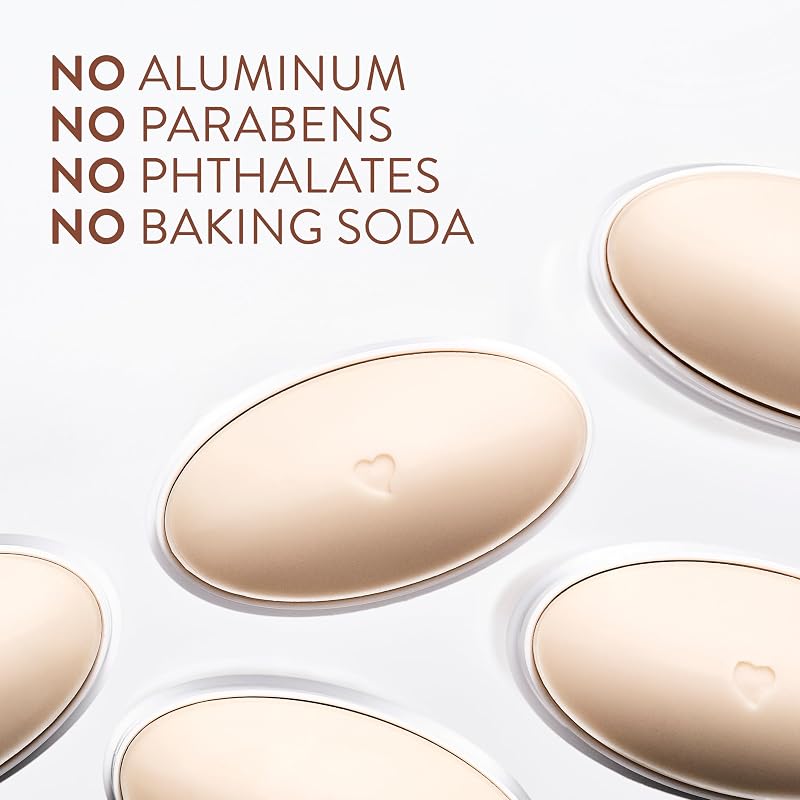
- Fill in every structured attribute: material, size, use case, certifications.
- State use cases plainly ("for cold-weather running," "for sensitive skin").
- Cover information completely, don't make the shopper infer it.
- Keep ratings high and reviews current; the assistant weighs social proof.
- Write A+ Content in clear, factual language the assistant can read.
What machine-readable proof looks like on a real listing:
Add answered Q&As, the highest-leverage move
The single fastest win is adding 10–15 answered questions that target the most common things shoppers ask in your category. Sellers doing this report conversion lifts of roughly 20–35% within 30–60 days, because the assistant, and shoppers, get direct answers instead of guessing.
What is Amazon COSMO, and why does it change optimization?
COSMO (Common Sense Knowledge Generation and Serving System) is the model behind the assistant's sense of context. Published by Amazon at SIGMOD 2024, it maps millions of commonsense relationships between products, intents, use cases, audiences, events, and locations, so Amazon understands not just what a shopper types but why.
Practically, that means writing for the who, what, when, and where, not just keywords. A product "for cold-weather running," "for sensitive skin," or "for a first apartment" gives COSMO the context to match you to intent-driven and ambiguous queries. Cover the use cases, occasions, and audiences your product actually fits, in plain language, and the assistant has something to reason with.
COSMO rewards listings that explain fit and use case. State who the product is for and when they use it, in the copy, attributes, and Q&A, so the assistant can connect your product to the question behind the search.
How do Sponsored Prompts fit in (the paid lane)?
There is now a paid way to appear inside the assistant. On March 25, 2026, Amazon moved Sponsored Products and Sponsored Brands prompts to general availability in the US and made them billable under standard cost-per-click. After a free beta that began in November 2025, showing up in the assistant's answers competes for budget like any other placement, and eligible campaigns were enrolled automatically.
Prompts can surface in shopping results and on product detail pages; when a shopper engages, the prompt opens a dialog in the assistant or answers on the page. Organic optimization still decides whether the assistant recommends you unpaid, but the paid lane is worth testing. See our 2026 ad-formats guide for where it sits in the wider ad stack.
Does keyword SEO still matter?
Yes, roughly 80–85% of discovery is still traditional search as of 2026. The AI assistant is additive, not a replacement. Do both: keep titles, bullets, and backend terms sharp for search, and add structured, use-case-rich content for the assistant.
Optimizing for the AI assistant complements keyword SEO; it doesn't replace it. The winning listings rank in search and read clearly for the assistant, see our conversion guide and 2026 ad-formats guide.
Frequently asked questions
What is Amazon's AI shopping assistant called?
It is called Alexa for Shopping. Amazon renamed Rufus to Alexa for Shopping on May 13, 2026, folding the shopping chatbot into its Alexa+ assistant. It answers shopper questions in plain language and recommends products by reading detail pages, reviews, and Q&A. It was used by 300M+ customers in 2025.
Are Amazon Sponsored Prompts free?
No longer. Sponsored Products and Sponsored Brands prompts, which place your product inside the AI assistant's answers, moved to general availability in the US on March 25, 2026 and are now billable under standard cost-per-click. A free beta ran from November 2025 until then.
How do I optimize my listing for Amazon's AI assistant?
Fill in every structured attribute, state use cases plainly, cover information completely, keep ratings strong, and add 10–15 answered Q&As. The assistant rewards complete, contextual information over keyword stuffing.
Do answered Q&As really improve conversion?
Yes. Sellers who add 10–15 answered questions targeting common category queries report conversion lifts of roughly 20–35% within 30–60 days, because both the AI assistant and shoppers get direct answers.
Does keyword SEO still matter with AI search?
Yes. Around 80–85% of discovery is still traditional keyword search as of 2026. Optimize for both, sharp titles and backend terms for search, and structured, use-case-rich content for the assistant.
Ready to get to the top shelf?
A 30-minute call and a free account audit, we’ll tell you exactly what we’d do, no strings.
Get a free AI-readiness audit →