Amazon PPC vs. SEO: which one wins?
Amazon PPC buys instant, targeted traffic; Amazon SEO compounds into durable, free organic rank. They are not rivals, the brands that win use PPC to test and feed data, and SEO to scale what works. Here is how to balance them in 2026.
Get a free PPC + SEO audit →Use both. Amazon PPC buys instant, targeted traffic and the search-term data to learn what converts; Amazon SEO turns those wins into durable organic rank you don't pay for per click. PPC is the accelerator; SEO is the engine. The clearest sign you're balancing them well is a falling TACoS while revenue grows.
Amazon PPC vs. SEO: what's the difference?
Amazon PPC (pay-per-click advertising) places your product in sponsored slots and charges you each time a shopper clicks. Amazon SEO is the work of earning unpaid, organic placement by making a listing relevant and high-converting. One is rented traffic; the other is owned.
- Instant traffic and placement
- Precise keyword & ASIN targeting
- Generates search-term & conversion data
- Stops the moment budget stops
- Best for launches, tests, and defense
- Free, compounding organic traffic
- Builds slowly but durably
- Driven by conversion rate & relevance
- Keeps working after spend stops
- Best for long-term category leadership
Should you focus on PPC or SEO?
Early on, lean into PPC, you need traffic and data before organic rank exists. As conversions accumulate, Amazon's algorithm rewards the listing with organic placement, and SEO can carry more of the load. The goal isn't to pick one; it's to shift the mix over time.
How PPC and SEO feed each other
Paid ads don't directly change organic rank, but the sales they drive do. When a shopper clicks an ad and buys, it reinforces your product's relevance for that search term, which lifts organic rank. Use PPC as a testing tool to find converting keywords, then optimize the listing to scale them for free.
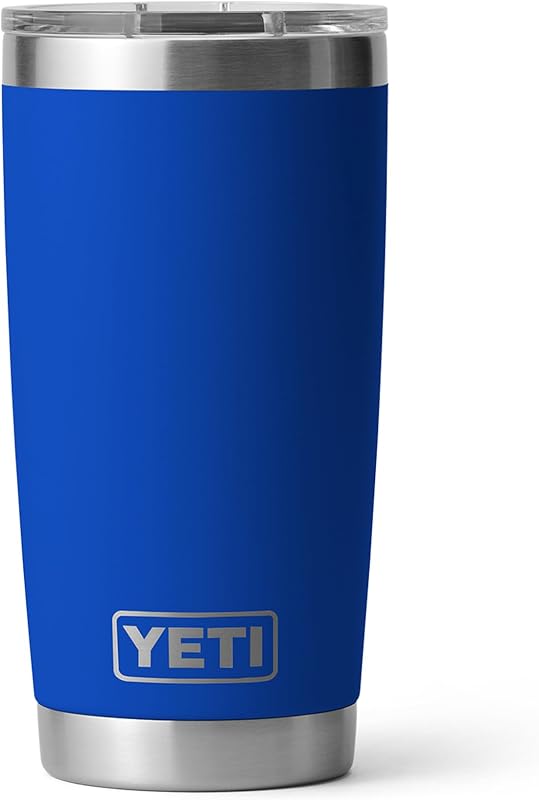
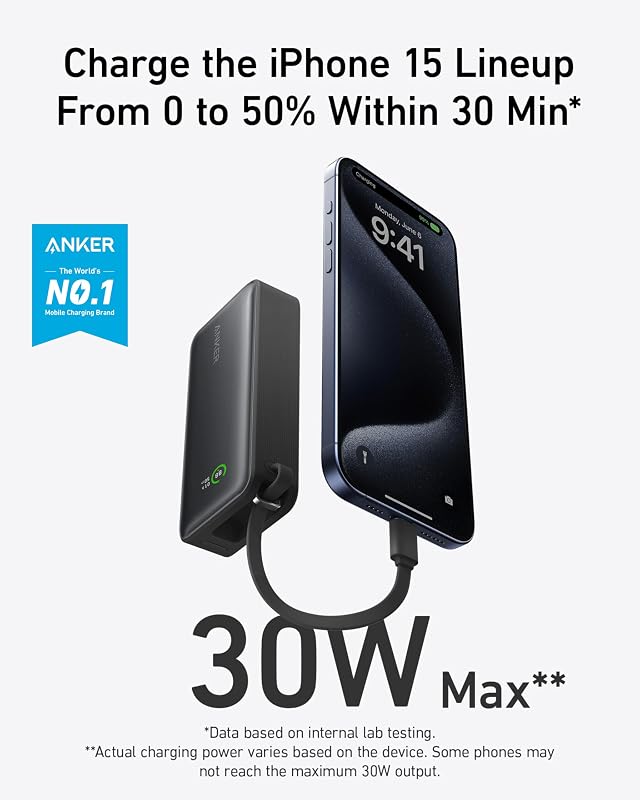
The bridge between the two is creative. The same assets do both jobs:
What is a healthy TACoS in 2026?
TACoS (total advertising cost of sales) measures ad spend against total revenue, and in 2026 it's the metric serious brands run the account on. Most scaling brands target roughly 8–15%, tightening toward 10% as the account matures. Read the trend, not the number.
If TACoS rises while organic rank stays flat, spend is replacing demand rather than creating it. If TACoS falls while revenue climbs, your SEO is compounding and the account is gaining real operating leverage.
Frequently asked questions
Is Amazon PPC or SEO better?
Neither alone. PPC delivers instant traffic and the data to learn what converts; SEO turns those wins into durable, free organic rank. Lean on PPC early, then let SEO carry more of the load as organic rank builds.
Do Amazon ads improve organic ranking?
Indirectly. Ads do not directly change rank, but the sales they generate reinforce your relevance for a search term, which lifts organic rank. That is why PPC and SEO compound when run together.
What is a good TACoS on Amazon in 2026?
Most scaling brands target roughly 8–15%, tightening toward 10% as the account matures. Watch the trend: falling TACoS while revenue grows means SEO is compounding and ads are creating leverage.
How long does Amazon SEO take?
PPC traffic is instant; organic-rank gains build over weeks to a few months as conversion, ads, and reviews compound. SEO is slower to start but keeps working after spend stops.
Ready to get to the top shelf?
A 30-minute call and a free account audit, we’ll tell you exactly what we’d do, no strings.
Get a free PPC + SEO audit →